The landscape of healthcare has undergone a seismic shift. No longer confined to the waiting rooms of physical clinics, modern healthcare is increasingly defined by remote-first specialist care. For the first-time user, a remote video consultation might feel like a leap into the unknown. However, when navigated correctly, digital care pathways offer a level of convenience and clinical efficiency that rivals—and often exceeds—the traditional in-person experience.
As healthtech continues to integrate deeper into the NHS and private clinical workflows, the onus is shifting toward the patient to act as a proactive partner in their own care. Preparation is the key to unlocking the full potential of these digital interactions. By treating your telehealth appointment with the same seriousness as a physical visit, you ensure that your clinician has the right data, at the right time, to make the best decisions for your health.
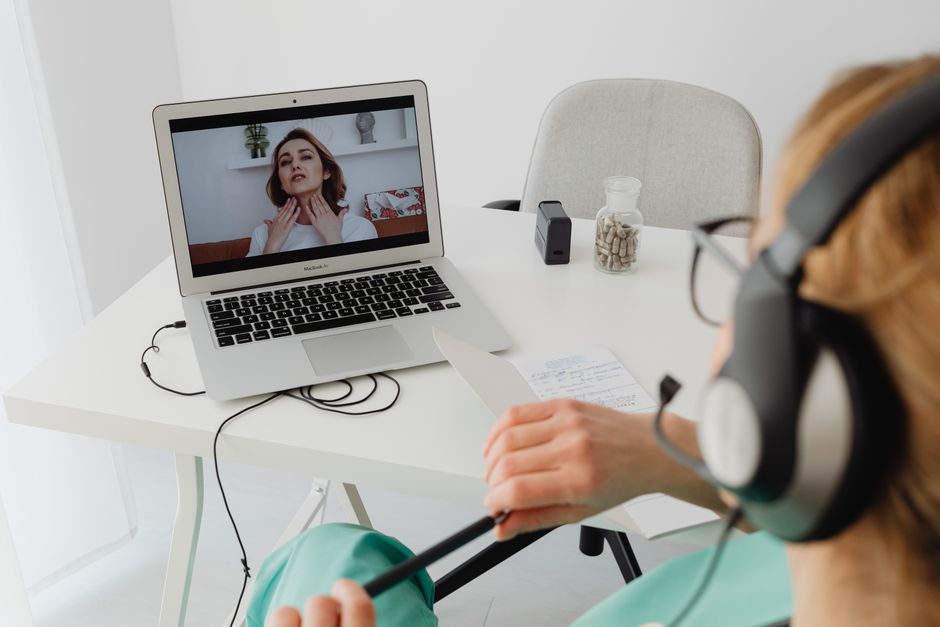
Understanding the Digital Care Pathway
Before you even click the link to join your video consultation, it is helpful to understand the ecosystem you are entering. Modern telemedicine platforms are designed to streamline the clinical workflow. They are not merely video-calling apps; they are secure environments built for regulatory compliance, data sovereignty, and end-to-end encryption.

Digital Eligibility and Onboarding
Most reputable telehealth providers utilize an automated digital eligibility check during the onboarding process. This might include an intake questionnaire that scans for "red flags"—symptoms that require immediate, urgent physical care rather than a remote consultation. When you fill out these digital forms accurately, you are essentially participating in a triage process that ensures you are in the right care pathway from the very start.
Secure Medical Record Handling
One of the most common anxieties for first-time users is the security of their health data. High-quality telehealth platforms prioritize secure medical record handling. When you upload documents or share information via the patient portal, you are interacting with a system designed to meet strict clinical governance standards. By preparing your records in advance, you allow the clinician to review your history before they even initiate the video call, maximizing the time spent on active diagnosis and treatment planning.
The Four Pillars of Preparation
To get the most out of your appointment, you should arrive "clinically ready." This means organizing your data in a way that is easy for a doctor to digest in a 15-to-20-minute window. Here is how you can prepare your documentation to ensure success.
1. Medical Records: The Backbone of Your History
Do not assume the doctor has a holistic view of your health just because they are digital. If you have been treated for the same condition elsewhere, have your recent medical records ready. If the platform allows for document uploads, do this 24 hours before the appointment. Include:
- Recent blood test results or imaging reports (PDFs are best). A current list of medications, including dosages and frequency. Records of previous specialists consulted for the same condition.
2. Symptom Notes: Precision Over Volume
When describing how you feel, clinicians value "narrative precision." Avoid rambling; instead, provide structured symptom notes. Use the "SOCRATES" method if possible: Site, Onset, Character, Radiation, Associations, Time, Exacerbating/Relieving factors, and Severity. Writing these down helps you stay focused when the clock is ticking.
3. Treatment Goals: Aligning Expectations
What do you want to achieve from this consultation? Be explicit about your treatment goals. Are you looking for a diagnosis, a second opinion, a medication review, or a referral to an in-person specialist? When you lead with your goals, the clinician can immediately adjust their approach to ensure that your specific needs are met by the end of the session.
4. Questions List: The "Must-Ask" Agenda
In a remote setting, it is easy for small details to be forgotten once the screen turns off. Keep a questions list on your desk. Prioritize these from most important to least important. If you run out of time, ask for the most critical answer first. Common questions https://boomset.com/healthtech-innovation-how-the-uk-is-modernising-products-access/ should include:
- "What are the next steps in my investigation?" "What red flags should prompt me to seek urgent in-person care?" "How will you communicate these findings to my regular GP?"
Technical and Environmental Readiness
The effectiveness of clinician oversight is directly tied to the quality of the interaction. A grainy video feed or poor audio can lead to misinterpretations. Treat your environment as an extension of the consultation room.
Factor Preparation Tip Connectivity Use a wired ethernet connection if possible; if on Wi-Fi, sit near the router. Lighting Ensure your face is well-lit (avoid sitting with a window behind you). Privacy Select a quiet, private room to discuss sensitive health data. Hardware Test your webcam and microphone 15 minutes before the start time.The Role of Clinician Oversight in Telehealth
It is important to remember that telehealth is a tool for the clinician, not a replacement for their expertise. During your remote video consultation, the clinician is conducting a "virtual examination." They will be watching your demeanor, listening to the nuances of your description, and analyzing the data you have provided.
Because you are the one "in the room," you act as the clinician's eyes and ears. If they ask you to perform a simple self-assessment—such as checking for swelling or demonstrating a range of motion—perform these actions slowly and clearly. The oversight they provide is based entirely on the fidelity of the information you share. By being prepared, you are essentially "calibrating" the remote tools to provide the most accurate clinical result possible.
Final Thoughts: Moving Toward Better Digital Care
Transitioning to remote-first specialist care is a significant step toward a more efficient healthcare experience. By mastering the art of preparation—organizing your medical records, refining your symptom notes, defining your treatment goals, and preparing a thoughtful questions list—you transition from a passive patient to an active participant in your care.
As telemedicine platforms continue to evolve, the barrier between patient and specialist will continue to shrink. Embracing the digital workflow doesn't just save time; it empowers you to take control of your health journey with clarity, confidence, and the support of a clinician who is better equipped than ever to provide the high-quality care you deserve.
Remember: If at any point during your consultation you feel the technology is failing to capture the complexity of your condition, do not hesitate to ask for a follow-up or a clarification. Digital care is a partnership; your engagement is the most vital component.