In the electronic music scene, burnout is often spoken about like a badge of honor: the relentless grind of nights that blur into dawn, the adrenaline-fueled hours behind the decks, the travel that shuffles time zones like a deck of cards. Yet those of us who’ve spent years peering inside flight cases, rifling through USB sticks meticulously cataloged in DJ workflows, and counting set times like a ledger know there's a deeper, more systemic issue at play—one that begins with naming the thing.
“Naming the thing” means calling out burnout not just as a symptom but a chronic condition tied to circadian rhythms, shift work realities, and the logistics of touring. It’s the foundation of culture change and the starting point for effective artist advocacy. This post explores what naming burnout means, why talking about sleep loss is essential, and how applying shift work research can offer DJs a better route to sustainability.
Talking About Sleep Loss: The Unseen Consequence of DJing
The DJ lifestyle is often romanticized—the “grind” portrayed as an all-nighter, a badge of commitment and passion. What gets lost, however, is the toll these hours take on the brain and body. Sleep loss is not just tiredness; it’s a chronic physiological strain with far-reaching effects.
Sleep Loss and Circadian Rhythm Disruption
Human circadian rhythm is hardwired to a roughly 24-hour cycle influenced by light and darkness—our “biological clock.” DJs, by virtue of playing late-night sets, traveling across time zones, and flipping schedules from clubs to festivals, constantly battle this rhythm. The result is a profound disruption of sleep-wake cycles, impaired cognitive function, weakened immune response, and increased mood disorders.
- Light cues: Late-night gigs under club lighting delay melatonin production, making it harder to fall asleep post-set. Flipped schedules: Weekend touring often means sleeping during the day, a misalignment that leaves DJs operating against their natural clock. Time zone hopping: Each destination introduces ‘jet lag’—a temporary mismatch between internal clocks and external environment.
Research into shift work—long studied in healthcare, transportation, and emergency services—sheds light on the health consequences of these disruptions. https://www.side-line.com/what-nocturnal-work-does-to-producers-and-djs/ By sidestepping these findings, DJs and their teams risk normalizing burnout as “part of the job.” Naming these effects is a crucial first step in breaking that harmful normalization.
Shift Work Research Applied to DJs: Lessons from the Night Shift
Shift workers from nurses to pilots face a similar challenge: their work demands flip the natural order of night and day. Thankfully, decades of research provide guidelines that DJs can adapt for their unique context.
1. Recognizing the Type of Shift
Shift workers often fall into categories: fixed night shifts, rotating shifts, or split shifts. DJs frequently mirror a combination—late-night rotating gigs compounded by international travel.
Shift Type Description DJ Parallel Fixed Night Shift Working consistently overnight hours. Resident DJs with late-night weekly club sets. Rotating Shift Shifting between day, evening, and night obligations. Tour DJs flipping between festivals, radio shows, and club gigs. Split Shift Dividing work into two separate periods. Warm-ups followed by main sets or daytime rehearsals plus nighttime shows.2. Strategic Sleep and Light Management
Research emphasizes consistency to stabilize the circadian rhythm, a luxury rarely afforded to touring DJs. Still, small wins matter:
- Controlled light exposure: Sunglasses en route to morning flights, blackout curtains in hotel rooms to simulate nighttime. Pre- and post-shift naps: Short daylight naps to mitigate accumulated sleep debt. Strategic caffeine use: Limited to early shift to avoid interfering with subsequent sleep.
Here, the flight case becomes more than gear storage: it’s a ritual container holding blackout-eye masks, noise-canceling headphones, and the ever-so-crucial USB sticks loaded with carefully curated playlists, set orders, and tracks—the mental scaffolding DJs rely on when their circadian function is compromised.
Schedule Flipping and Weekend Touring: The DJ’s Endurance Test
A ubiquitous dilemma for DJs is the weekend-centric workweek—playing Friday night through Sunday sets—but having Mondays off when everyone else is working. This “flipped” schedule challenges recovery because social and family rhythms often clash with a DJ’s time off.
What the Research Says About Flipped Shifts
Studies on night-shift workers show the body struggles to transition between day and night modes when days off do not allow complete recovery. DJs are in double jeopardy:

Though many DJs try to cram recovery into hotel rooms with blackout curtains of dubious quality (my running tally sits at 63 hotels with outright failures), the irregular hours and unstable environment frequently shorten rest cycles.
Artist management who ‘name the thing’ advocate for deliberately designed booking routes that allow more stable rest blocks, such as compact gigs in single markets, or routing that reduces extreme jet lag rather than chasing the quickest flyer miles.
Time Zones and Routing Tradeoffs: The Cost of Global Touring
Global touring is a double-edged sword: it opens new audiences but also multiplies circadian disruption through time zone changes. As a freelance journalist and former touring assistant, I've noted how the contents of flight cases often include adaptation tools—blue-light-blocking glasses, melatonin supplements, and logbooks tracking wake times and set durations.
Yet these tools only mitigate symptoms; they don't solve the stress of “rapid eastward” or “westward” jumps, which can add days of sleep inertia.
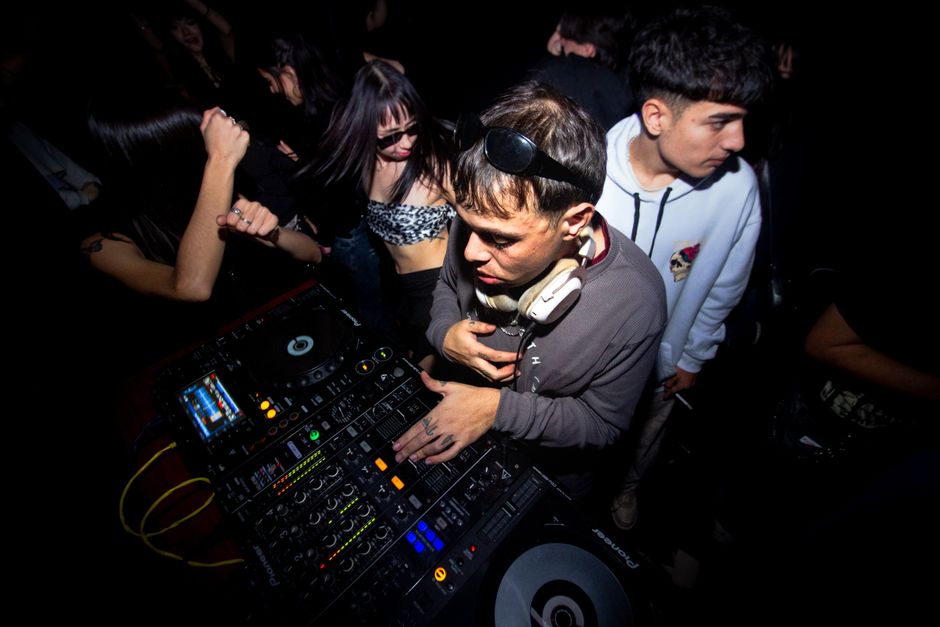
Routing Tradeoffs That Matter
- Direct flights vs. multiple legs: Compression of travel time can be beneficial but may lead to very late arrivals and truncated sleep opportunities. Time zone jumps eastward: Usually harder due to the need to advance the internal clock, exacerbating sleep loss. Layovers and downtime: Strategic rest during long layovers can help, provided airport sleeping conditions are adequate.
Managers and artists empowered to “name the thing” prioritize these routing considerations over short-term tour maximization, advocating for health-conscious scheduling rather than purely financial or promotional gain.
Culture Change and Artist Advocacy: Naming the Thing as a Catalyst
Reframing burnout not as a "grind" badge but as a health hazard creates space for meaningful change. Here’s how naming burnout serves as a cultural pivot:
Lowers Stigma: Open conversations about sleep loss and circadian disruption reduce shame and isolation in the artist community. Enables Advocacy: With clear definitions, industry stakeholders can push for policies like minimum recovery times, consistent scheduling, and improved hospitality services (quality blackout curtains, soundproof rooms, better sleep environments). Shapes Contract Terms: Artists gain leverage to negotiate wellness clauses addressing travel time, set times, and rest days. Guides Educational Efforts: Workshops and resources around shift work biology can empower artists to make informed decisions about their schedules.
USB sticks now carry not only music but also planning notes and sleep strategies; flight cases may increasingly include wellness kits as standard. This evolution reflects the industry’s gradual alignment with health science.
Conclusion
“Naming the thing” in the context of DJ burnout is recognizing that the toll of sleep loss, circadian disruption, and logistical stress is real, measurable, and remediable—not an inevitable byproduct of ambition or passion. By applying insights from shift work research, advocating for culture change, and leveraging the details tucked inside flight cases and DJ workflow USB sticks, artists and their teams can navigate the challenges of global touring with greater resilience.
Ultimately, the future of sustainable DJ careers depends on moving away from romanticizing sleeplessness toward honoring the biological imperatives that keep artists at their creative best.