Since the UK government legalised cannabis-based products for medicinal use (CBPMs) in November 2018, the landscape of private healthcare has shifted dramatically. CBPMs are cannabis preparations that are used as a medicine, strictly regulated, and prescribed by specialist doctors for patients with specific clinical needs.
However, despite this legislation, there remains a significant amount of confusion among the public. Whether it is conflating legal prescriptions with illicit substances or misunderstanding how one actually accesses care, myths continue to circulate. In this post, we’re going to strip away the confusion and look at the reality of accessing medical cannabis in the UK.
1. The "Recreational Confusion": Why Intent Matters
Perhaps the most persistent issue I encounter in my nine years of health writing is the conflation of recreational cannabis with prescribed medical cannabis. This is what many call recreational confusion.
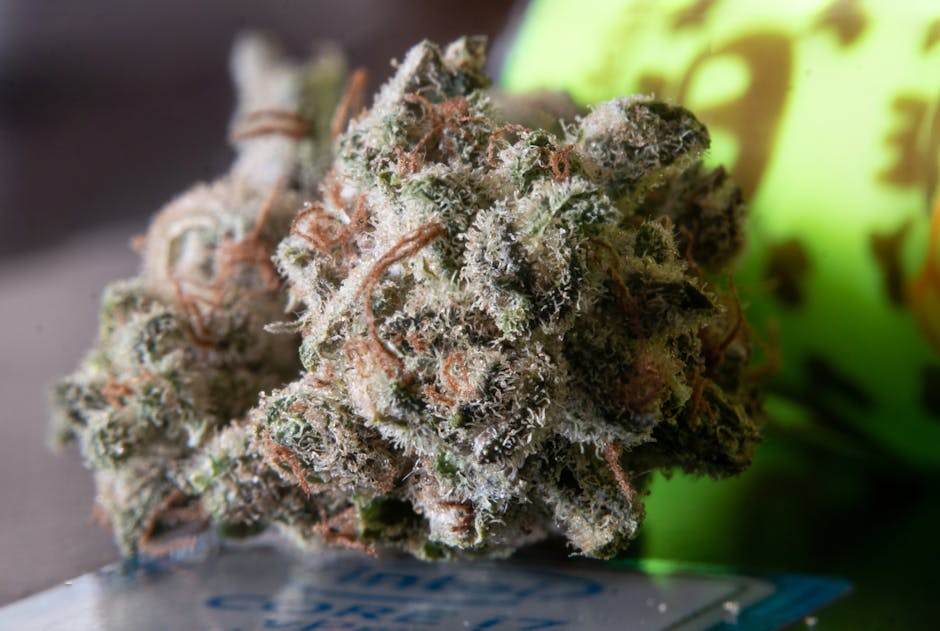
Recreational cannabis—often purchased on the black market—contains unregulated levels of compounds and is frequently contaminated with pesticides, heavy metals, or synthetic additives. In contrast, medical cannabis is a pharmaceutical-grade product. It is manufactured under Good Manufacturing Practice (GMP) standards, meaning the concentration of cannabinoids like THC (tetrahydrocannabinol) and CBD (cannabidiol) is consistent and verified.
What this means for you: When you receive a prescription, you are accessing a standardised, laboratory-tested medication, not the same substance sold on the street. The legal framework of 2018 distinguishes between these products based on their origin, quality control, and the intent of use, which is purely therapeutic.
2. The Self-Diagnosis Myth
A common misconception is that if you "feel" you have a condition that might benefit from cannabis, you can simply register with a clinic, have a quick chat, and receive a prescription. This is known as the self-diagnosis myth. In reality, the pathway to treatment is rigorous and evidence-based.
I'll be honest with you: to be considered for a prescription, you must have a formal diagnosis from a healthcare professional for a condition that has not responded adequately to "first-line" and "second-line" treatments. This usually means you have tried at least two conventional treatments, medications, or therapies (such as physiotherapy or standard pharmaceuticals) without achieving the desired clinical outcome.
The Eligibility Checklist
Eligibility is not a box-ticking exercise; it is a clinical assessment. A specialist—a consultant doctor listed on the General Medical Council (GMC) Specialist Register—must review your medical history. They determine whether the risks of treatment are outweighed by the potential benefits for your specific condition.
- Clinical History: You must provide your medical records, showing the history of your condition. Failed Treatments: You must prove that you have tried established therapies that failed to provide relief. Specialist Assessment: A consultant must agree that you are a suitable candidate.
What this means for you: You cannot self-diagnose. You must be prepared to share your detailed medical history, and there is no guarantee that a consultation will result in a prescription. A specialist will only prescribe if it is the appropriate clinical path forward.
3. The Unregulated Consultation Myth
Some prospective patients worry that the rise of online clinics implies a lack of clinical oversight. This is the unregulated consultation myth. In the UK, medical cannabis clinics are subject to the same oversight as any other private specialist practice. They are regulated by the Care Quality Commission (CQC) in England, Healthcare Improvement Scotland (HIS), or Healthcare Inspectorate Wales (HIW).
Modern clinics rely on telehealth—the delivery of healthcare services through digital technology—to make care accessible. These clinics use digital-first patient platforms, which are secure, encrypted systems designed to manage your entire patient journey. These platforms facilitate:
Secure document uploads (medical history). Remote consultations via encrypted video links. Automated prescription management to track your medication. Direct messaging with your specialist and support team.What this means for you: Choosing a digital-first provider does not mean sacrificing quality. These platforms are designed to bridge the gap between patients in remote locations and specialists in major cities, ensuring that your data remains confidential and your treatment is tracked by a professional team.
4. The "Exact Price" Trap
I am frequently asked by readers, "How much does a consultation cost?" The desire for a fixed, flat fee is understandable, but it is a fundamental misunderstanding of how medical cannabis prescribing works. Unlike a generic over-the-counter medicine, medical cannabis is a personalized, bespoke treatment plan.
The cost of your treatment is not just the price of a consultation; it is the sum of the specialist's time, the pharmacy’s dispensing fee, and the cost of the specific medication itself. Because the medication—its dosage, remote consultation medical cannabis strain, and delivery method—is tailored to your unique response to the treatment, the cost can fluctuate.
Consider the following variables that influence your final spend:
Component Why it varies Consultation Fee Varies based on whether it is an initial assessment or a follow-up. Medication Type Different strains and strengths (e.g., flowers vs. oils) carry different price points. Dosage The amount of medication required changes based on clinical progress. Pharmacy Fees Different pharmacies may charge varying administrative costs for preparation.What this means for you: Avoid providers who promise a "one-price-fits-all" solution. A legitimate clinic will be transparent about their consultation fees, but they will also warn you that the total cost of your treatment is variable because it is dependent on your clinical requirements.
5. NHS Guidance and the Private Sector
It is important to understand the role of the National Health Service (NHS). The NHS has clear guidelines (provided by the National Institute for Health and Care Excellence, or NICE) regarding the use of cannabis-based products. Currently, the NHS only prescribes medical cannabis in a very limited number of cases, such as specific forms of epilepsy, multiple sclerosis, or chemotherapy-induced nausea.
Most patients accessing medical cannabis in the UK do so via the private sector. This is not because the medication is illegal, but because the NHS criteria for prescribing are extremely narrow. Private clinics operate within the same legal framework as the NHS but have the scope to treat a wider range of conditions where specialist evidence supports the use of CBPMs.
What this means for you: If the NHS has told you they cannot offer you medical cannabis, it does not mean your condition is not eligible for private treatment. It simply means you do not meet the highly restrictive NHS criteria. Always refer to your GP or specialist when considering your options.
A Final Word: Managing Expectations
The most important takeaway from my years of interviewing clinicians is this: Medical cannabis is not a panacea, and it is not a "cure-all." Any clinic that promises you specific health outcomes or guarantees a reduction in symptoms is overpromising. The science of cannabinoids is still evolving, and clinical response is highly individual.
When you approach a clinic, do so with clear goals and an open mind. Be prepared to provide evidence, be prepared for a thorough clinical review, and understand that this is a professional medical partnership. By navigating the myths, you are already one step closer to understanding whether medical cannabis is a safe and appropriate tool for your specific journey.
Disclaimer: This article is for informational purposes only and does not constitute medical advice. Always consult with your GP or a qualified medical specialist regarding your health.