When you walk into a GP (General Practitioner) surgery in the UK, the experience is anchored in physical space. There is the smell of floor wax, the flickering fluorescent lights, and the inevitable plastic chair. For decades, the National Health Service (NHS)—the UK’s publicly funded healthcare system—has relied on this proximity. But when it comes to newer, niche fields like medical cannabis or highly specialized mental health services, that physical reliance has vanished.
I have spent nine years working within the NHS and tracking how patient advocacy groups navigate these systems. Lately, I have been hearing a recurring question from patients: Does this actually feel like healthcare, or does it feel like I’m just using an app?
The rise of the digital-first model has changed the way we access care for long-term conditions. It is important to remember that we are discussing medical cannabis, not recreational use. These are regulated, prescription-based pathways, not high-street wellness trends. Let's look at why the private sector feels so different from the traditional pathway and what that shift really means for you.
The 2018 Shift and the Access Gap
To understand why we are here, we have to look at November 2018. That was when the UK government legalized medical cannabis for specific conditions, provided it was prescribed by a specialist. However, the NHS adopted an incredibly cautious pathway. In practice, this meant almost zero access for the average patient, as NHS consultants were (and remain) largely prohibited from prescribing due to a lack of large-scale clinical trials and internal guidelines.
Nature abhors a vacuum, and the market rushed to fill it. Private clinics sprang up, almost exclusively utilizing a remote process to reach patients across the country.
Here is what usually happens next: A patient hits a brick wall at their local surgery, feels desperate, and searches online for "private medical cannabis clinic." They are immediately funneled into a telemedicine platform. The transition from a local GP who knows your name to a specialist you have never met, viewed through a grainy webcam, is jarring. It feels less like a medical consultation and more like an e-commerce transaction.
The Telemedicine Platform vs. Traditional Healthcare
Traditional healthcare is designed to be slow, deliberate, and bureaucratic. It relies on a "gatekeeper" model where your GP controls access to specialists. In contrast, the private clinic model is built on speed and frictionless access.

The digital-first model is optimized for conversion. When you log onto a telemedicine platform, you are often met with high-quality UI (User Interface) design, automated appointment booking, and instant access to secure messaging. This is a massive departure from waiting three weeks for a paper letter to arrive in the post.
However, the question remains: does efficiency come at the cost of clinical depth?
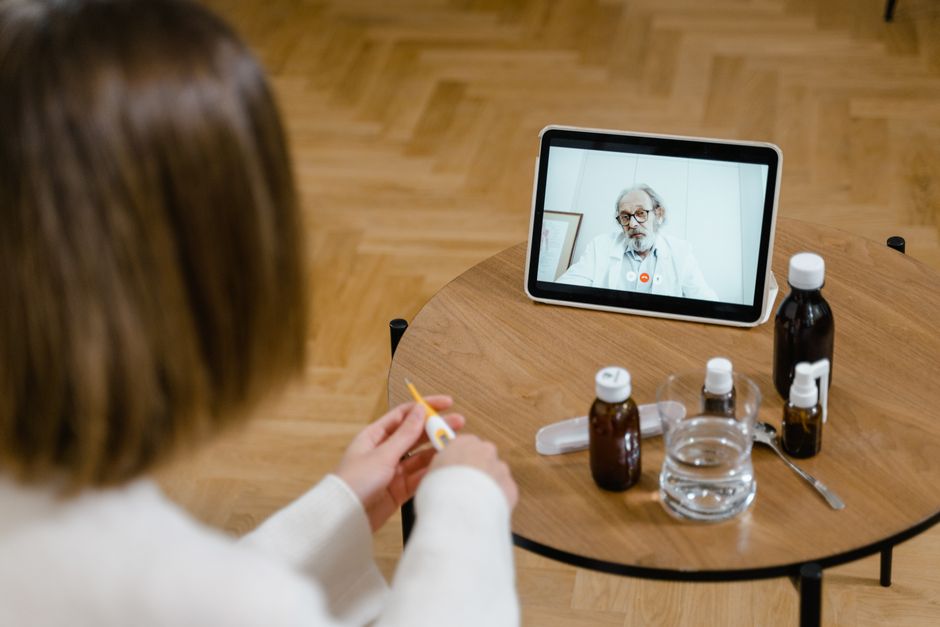
Why the "Remote Process" Feels Different
The feeling of "telemedicine" over "healthcare" stems from the lack of continuity. In the NHS, your doctor has a long-term interest in your history. In many private clinics, the patient experience is episodic. You book a consultation, you get your prescription, and you leave.
Some critics argue that this encourages "doctor shopping" or creates a system where the patient is treated like a customer. It is true that the interface of a telemedicine platform is designed to make you feel comfortable, but the clinical reality is that you are still undergoing a medical assessment. These clinics are heavily regulated by the CQC (Care Quality Commission). They are not "miracle" clinics; they are businesses operating within a tight regulatory framework.
When you sit down for your video consultation, remember that it is just a different medium for the same clinical task. The specialist is still required to assess your eligibility, your current medications, and your medical history. They are not giving you CBD (Cannabidiol—a non-intoxicating compound found in cannabis) to treat every ailment under the sun. They are looking for specific clinical indicators.
Things Patients Wish They Knew Before the First Video Consult
After years of talking to patients who have gone through this process, I’ve compiled a list of things nobody tells you until you’re already in the waiting room. If you are preparing for your first remote appointment, read these carefully:
You need your Summary Care Record (SCR). Do not rely on your memory. Have a physical or digital copy of your full medical summary ready. The clinic will ask for it, and delays in getting this from your GP are the number one cause of frustration. The "Specialist" might not be a cannabis expert. Many doctors in these clinics are specialists in pain management or psychiatry who have added cannabis to their practice. They are not necessarily "cannabis doctors" in the way you might expect. Technical failure is real. Have a backup plan. If your Wi-Fi drops or your camera fails, the appointment will be cut short. Have a phone ready for the clinician to call you directly. It is not "one and done." You will have follow-up appointments. These are mandatory for safety monitoring. These cost money, and they happen at regular intervals. Factor this into your budget early. Your NHS GP might not support it. Be prepared for an awkward conversation. Some NHS GPs are uncomfortable with private cannabis prescriptions because they don't have visibility over the treatment. You are responsible for keeping them informed.Reframing the Experience
Does the private sector feel like telemedicine? Yes. It is a system designed for convenience and access in a landscape where traditional avenues have closed. But it is not a "lite" version of healthcare. It is simply a different delivery mechanism.
The danger is in overpromising. I see so many websites using vague, flowery language about "holistic relief" or "unlocking potential." That is marketing, not medicine. Real healthcare is boring. It is paperwork, history taking, safety monitoring, and dosage adjustments. If a clinic makes you feel like you are purchasing a lifestyle product rather than a medical treatment, that is a red flag.
The digital-first model is here to stay. It has opened doors for thousands of patients who were previously ignored by the NHS. But as a patient, you have to be more proactive than you would be in a traditional surgery. You have to be the coordinator of your own records. You have to be the one to push for clarity if the clinician is moving too fast.
The technology is just the pipe through which the consultation flows. The substance of the care depends on the person on the other end of the screen—and your ability to advocate for yourself in an environment that is built for speed rather than slow, thoughtful, multi-year observation.
Final Thoughts: A Reality Check
If you are considering this route, stop looking at the website’s design and start looking at their clinical governance. Ask yourself: Is this clinic transparent about their follow-up protocols? Do they have a clear process for when things UK medical cannabis go wrong?
Telemedicine can be just as rigorous as traditional healthcare, but it requires the patient to be much more engaged. Do not treat it like an app-based delivery service. It is a clinical pathway, and you are the most important part of the team. Stay informed, stay organized, and never let the convenience of a web portal cloud your judgment on the medical advice you are receiving.
The transition from a physical room to a digital platform is a big leap for the healthcare industry. We are still in the early stages of ironing out these wrinkles. Until the system matures, rely on your medical history, verify your clinician's credentials, and keep your expectations grounded in clinical reality rather than marketing hype.