I spent nine years sitting behind a GP reception desk. I’ve seen the frustration when a patient leaves a ten-minute appointment realizing they need specialist dietary guidance, only to be told they’re looking at a six-month wait for a referral. That’s not a criticism of the staff—it’s just the reality of a system stretched thin.
Today, the landscape of healthcare is shifting. Patients aren’t just asking for help; they are demanding flexibility. They want access, they want it now, and they don’t want to jump through hoops to get it. This is where digital healthcare platforms are stepping in, not to replace the NHS, but to act as a bridge to the specialist care that people are struggling to find.
The shift toward flexibility in patient expectations
Patients are savvier than ever. They’ve realized that waiting for a paper letter to arrive in the post for an appointment three months down the line isn’t the only way to manage their health. Digital platforms are transforming how we think about https://smoothdecorator.com/how-medical-information-is-becoming-more-transparent-online/ nutritional support. It is no longer just about seeing a dietitian in a clinic room; it’s about having a digital hub that houses your progress, your education, and your consultation history in one place.
When we talk about nutritional support, we’re often talking about complex lifestyle changes. These don't happen in a single, rushed ten-minute window. They happen through sustained contact, regular check-ins, and consistent education. Digital platforms facilitate this "slow-burn" care far better than the traditional episodic model.
How digital platforms act as a bridge
Telehealth is often misunderstood. Some think it’s just a phone call. In reality, it’s a digital ecosystem. Platforms are now acting as a bridge across the UK, connecting patients with specialists—such as registered nutritionists and dietitians—regardless of their postcode.
Companies like Releaf have demonstrated how specific health pathways can be managed through a digital-first approach, prioritizing the patient’s journey from the initial consultation to the ongoing management of their treatment. Meanwhile, resources like Healthline act as essential libraries, offering evidence-based education that helps patients understand *why* they are making dietary changes, rather than just following a list of rules.
For those looking at how these services are actually built, firms like GeniusFirms work on the backend, ensuring that these digital systems are secure and intuitive. If a platform is clunky or confusing, patients won't use it. If the technology is seamless, the focus stays on the patient’s nutritional health rather than the tech itself.
Key features: Online appointment booking and digital consultations
If you are looking for nutritional support online, you need to know what you are looking for. Avoid platforms that make vague, "revolutionary" promises. Instead, look for clear, functional tools.
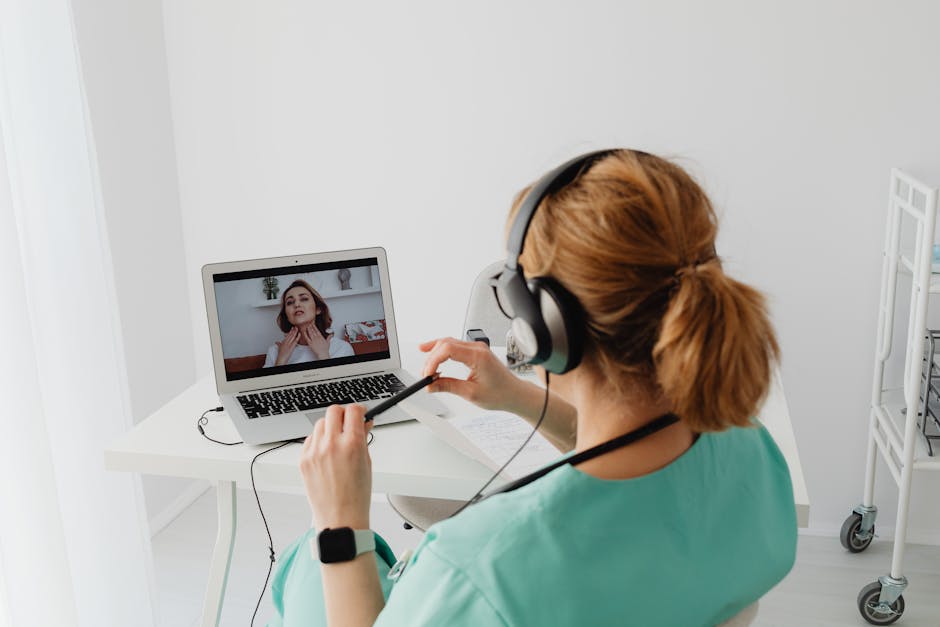
1. Online appointment booking
This is the baseline. If you have to email someone to ask for a time slot, you’re already losing time. A good platform allows you to see the clinician’s real-time availability. You should be able to book, reschedule, and cancel without picking up the phone.
2. Digital consultations
This is the meat of the service. Whether it’s via video link or secure messaging, a digital consultation should be as thorough as a face-to-face meeting. It should cover your medical history, your current dietary habits, and your specific goals. If a service doesn't require a comprehensive clinical history, walk away.
Transparency: The missing link in digital health
My biggest pet peeve in digital health is jargon-heavy, "salesy" marketing. You don't need a "revolutionary wellness journey." You need a plan that tells you exactly how much it costs, what the qualifications of the practitioner are, and what the next steps are after the first consultation.
Transparency is the bedrock of good patient care. You should know if your nutritional support plan involves supplements, specific testing, or just behavioral coaching. Before signing up for any digital health platform, ask yourself these three questions:
- Who is advising me? Are they a registered dietitian or a nutritionist? Check their credentials against UK governing bodies. How is my data used? Is it held securely, and will it be shared with my GP? (Hint: It should be, with your permission). What happens after the call? Is there a follow-up plan, or am I on my own once the video window closes?
Choosing the right platform for your needs
Not all platforms are created equal. Some are educational hubs, others are diagnostic services, Releaf medical cannabis consultation and some are full-service management platforms. Below is a quick breakdown to help you navigate your options.
Feature What to look for Why it matters Practitioner Credentials Verified HCPC or UKVRN registration. Ensures your advice is backed by science, not trends. Communication Secure, encrypted messaging portals. Protects your sensitive health data. Treatment Pathways Clear, step-by-step guidance. Reduces anxiety about what you need to do next. Pricing Itemized, upfront costs. Prevents "hidden fee" surprises.Patient education: The real value of digital health
The most successful patients I saw in the GP practice were the ones who took ownership of their education. Digital platforms are excellent for this because they offer "just-in-time" learning. You aren't just getting advice; you’re being taught how to read labels, how to track macros, and how to spot nutritional pitfalls.
When you combine digital consultations with reliable educational resources (like those provided by Healthline), you start to change your habits for the long term. This is far more effective than any "quick fix" program. By using a platform that provides structured modules or resource libraries, you are building the skills you need to manage your nutrition even after your paid consultations end.
Plain English guide to common terms
Healthcare loves to hide behind complex words. Here is my "No-Nonsense" translation for the terms you’ll likely run into on these platforms:
- "Integrated Care Pathway": This just means a clear plan that joins up your consultations, your tests, and your follow-ups so you aren't doing the legwork yourself. "Patient-Centric Portal": A website or app where you can see your own info and book your own appointments. "Clinical Governance": The rules and checks the platform follows to make sure they aren't giving you dangerous advice. Always check if a site mentions this. "Telemedicine Consultation": A fancy way of saying "a video call with a health professional."
The bottom line: Take the first step
Can you get nutrition support through a digital platform? Absolutely. In many cases, it is faster, more convenient, and more empowering than the traditional route. However, you have to be the gatekeeper of your own care. Look for platforms that prioritize transparency, show clear qualifications for their staff, and make the next steps in your treatment plan obvious.
Don't be swayed by marketing fluff. Look for the substance: the booking tools, the clinical credentials, and the clear communication pathways. If a service makes it easy for you to understand what you are paying for and what you are going to get, you’re likely in the right place. Your health—and your nutrition—is too important to be left to vague promises.
Start small, research the provider, and use the tools available to you. You don’t need to wait for a referral to start feeling better; you just need to know how to navigate the system effectively.